Photos: LILY LEAVES
Author(s): Publish date: 02.04.2026, 14:52 | Creation date: 02.04.2026, 14:52 | Update date: 02.04.2026, 14:52
Planting seeds for a greener Kathmandu
Nepal is known internationally for its successful community forestry programme, and the country has doubled its forest cover to over 45% in the last 25 years.
But the opposite is true for densely populated urban centres like Kathmandu Valley which have turned into concrete jungles, with no remaining open spaces. Air pollution is increasing to hazardous levels, and the urban heat bubble means the temperature in the city is 2°C-3°C higher than in the outskirts.
But there is a solution with a proven track record from similar densely populated cities in Japan — the ‘Miyawaki Method’ of growing local varieties of trees in any small patch of land in the city and turning them into compact forests.
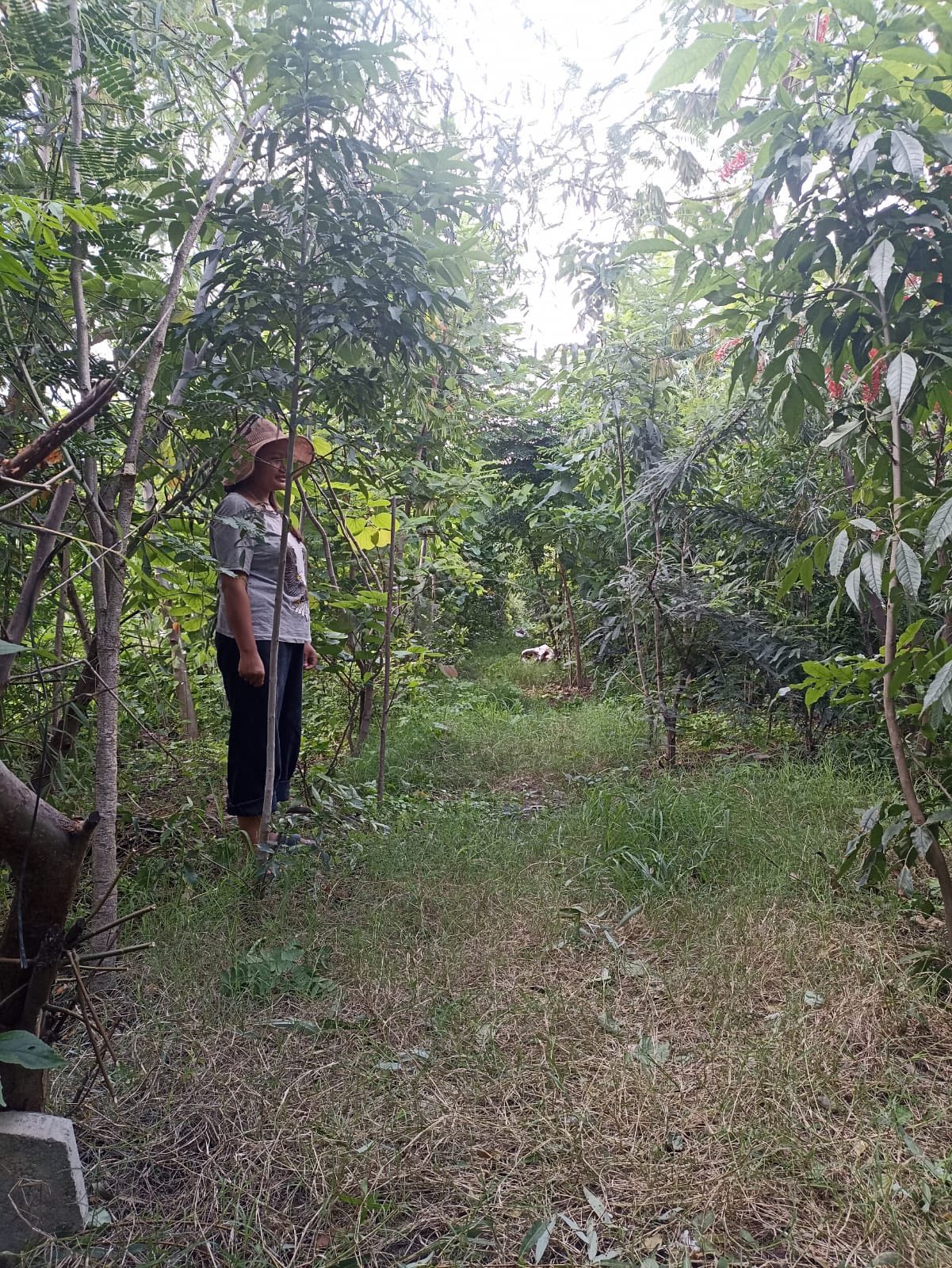
Named after Japanese botanist Akira Miyawaki in the early 1970s, carefully selected native trees and plants grow in tiny plots of land, or even in household backyards. They regenerate degraded urban soil, and help restore some greenery and biodiversity back to sterile city centres.
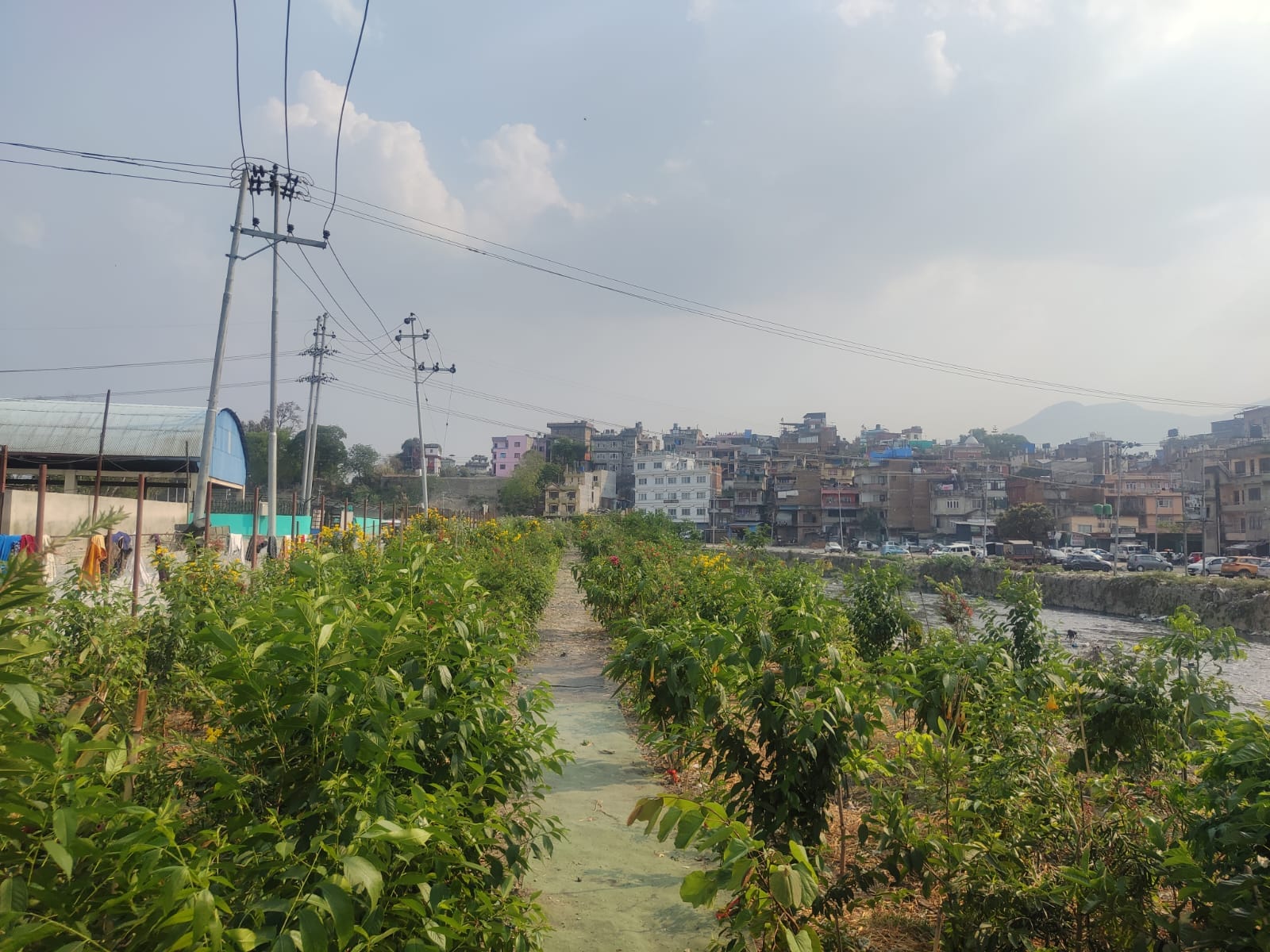
The group Lily Leaves has planted Miyawaki forests in six sites across Kathmandu, and is on a mission to green all the river corridors in the Valley. So far, it has planted more than 17,000 trees belonging to nearly 40 species in patches of land along the Bishnumati and Swayambhu, and is eyeing the UN Park area along the Bagmati.
“It is extremely important to connect with nature and greenery in cities,” says Lily Katuwal of Lily Leaves. "Besides restoring nature, these forests also clean air pollution and reduce summer temperatures.”
Unlike traditional reforestation where trees of the same species are planted in bulk at a distance of 3-4m, Miyawaki prioritises native varieties best suited to Kathmandu Valley’s microclimate. The saplings are packed densely together, spaced only 60cm apart. After they start growing, native grass and undergrowth also thrive.
The most recent plantation was along the banks of the Bagmati in Sanepa where, in addition to camphor and jacaranda which are grown in the area, native species such as kabro (Ficus lacor), kanike (Forget-me-not), parijat (Night-flowering Jasmine or Coral Jasmine), chanp (Plumeria), harro (Ink Nut) and barro (Bahera) were planted.
A new site in Kirtipur is being readied for the next plantation. Miyawaki has been carried out elsewhere in various parts of Nepal, primarily in Dhanusha which has seen forest regrowth that has brought back insect, bird, reptile and amphibian life.
EMPOWERING WOMEN
Lily Leaves employs just 17 women, six of whom have hearing disabilities. Many have been neglected or abandoned by their in-laws for various reasons. They have a livelihood and learn new skills so they can also find jobs elsewhere.
“We trained them in plantation and other skills including tailoring, as well as jewelry, bag and reusable pad making,” says Katuwal. “They are now experts in planting trees.”
Lily Leaves gets support from Pipal Tree International in the UK and Nepal, and hopes that the idea of compact urban forest spreads. This is especially important in areas like Taudaha, which is an important stopover for migratory birds. Once noted for its aquatic and avian biodiversity, Taudaha has become lined with concrete and has turned into a loud picnic spot.
Urban expansion has encroached upon what used to be the floodplain of the Dhobi Khola, Bishnumati, Bagmati and Manohara rivers. The open spaces along the river corridors are being turned into green belts haphazardly.
For many wards, the concept of green space is to have cement pavements and ornamental hard-to-maintain potted plants instead of allowing urban forests to grow back naturally.
“Apartment buildings and housing colonies that are being constructed can include green spaces that can increase the real estate and rent value of property,” Katuwal says. “Engineers designing the buildings can suggest such changes so that we remain connected with nature.”
Although Lily Leaves needs to have permission from local ward and municipal councils before implementing any program, it continues to face challenges in ensuring smooth coordination.
In one such plantation along the Bishnumati River corridor, for example, a heavy earthmover uprooted young trees that were just beginning to thrive. Despite this setback, Katuwal’s team returned to replant them.
The land mafia often covets the last remaining open spaces in Kathmandu, deploying local strongmen to try to take them over. They tear down fences, uproot saplings and loot tools. There is a lack of awareness about the importance of greening the city.
But now that the former mayor of Kathmandu Balendra Shah is prime minister, national awareness could translate into more urban forests not just in Kathmandu but also in overcrowded urban centres across Nepal.
Says Lily Katuwal: “We just plant the seed in people’s minds. Once people in the neighbourhood see that restoring nature lifts their quality of life and increases land prices, there is support. That is when the power of a good example spreads, and communities build on the idea.”